
When you call for heating service, you might be asking for one of several different visits. It could be a seasonal tune-up, a repair for a specific problem or a safety check on an older furnace. Knowing which one you need helps you book the right appointment and ask better questions. It also helps you avoid paying for something your system doesn't need yet.
Heating Service: Tune-Up, Repair or Safety Check?
We work on furnaces every fall across Chicago and the north suburbs. October is when the first cold nights show which systems are ready and which ones aren't. Below, we explain what each type of visit covers and the signs that point to each one. We also cover what you can safely check yourself and when it's time to have one of our technicians come out.
Quick answer: Heating service usually means one of three visits: a tune-up (cleaning and testing a working furnace), a repair (fixing a specific problem like no heat, short cycling or strange noises) or a safety inspection (checking an older furnace for venting, burner and carbon monoxide concerns). If your furnace runs fine, book a tune-up before the cold sets in. If something is wrong, schedule a repair and describe the symptoms when you call.
What Heating Service Usually Means
Homeowners use the phrase heating service for almost anything furnace-related, and that's fine. When you call us, though, we'll ask a few questions to figure out which of these visits fits your situation.
Tune-up or seasonal maintenance
A tune-up is for a furnace that works but hasn't been looked at since last winter. The technician cleans, tests and adjusts the system so it starts reliably on the first cold night. They also catch small issues before they turn into a no-heat call in January.
Repair
A repair visit starts with a symptom. Common ones are no heat, weak airflow, a furnace that turns on and off every few minutes, or a new noise. The technician diagnoses the cause and explains your options before doing the work.
Safety inspection
Some homeowners want peace of mind on an older furnace or one in a home they just bought. A safety-focused visit looks closely at venting, the heat exchanger area, burners and gas connections. The goal is to confirm the furnace is operating safely
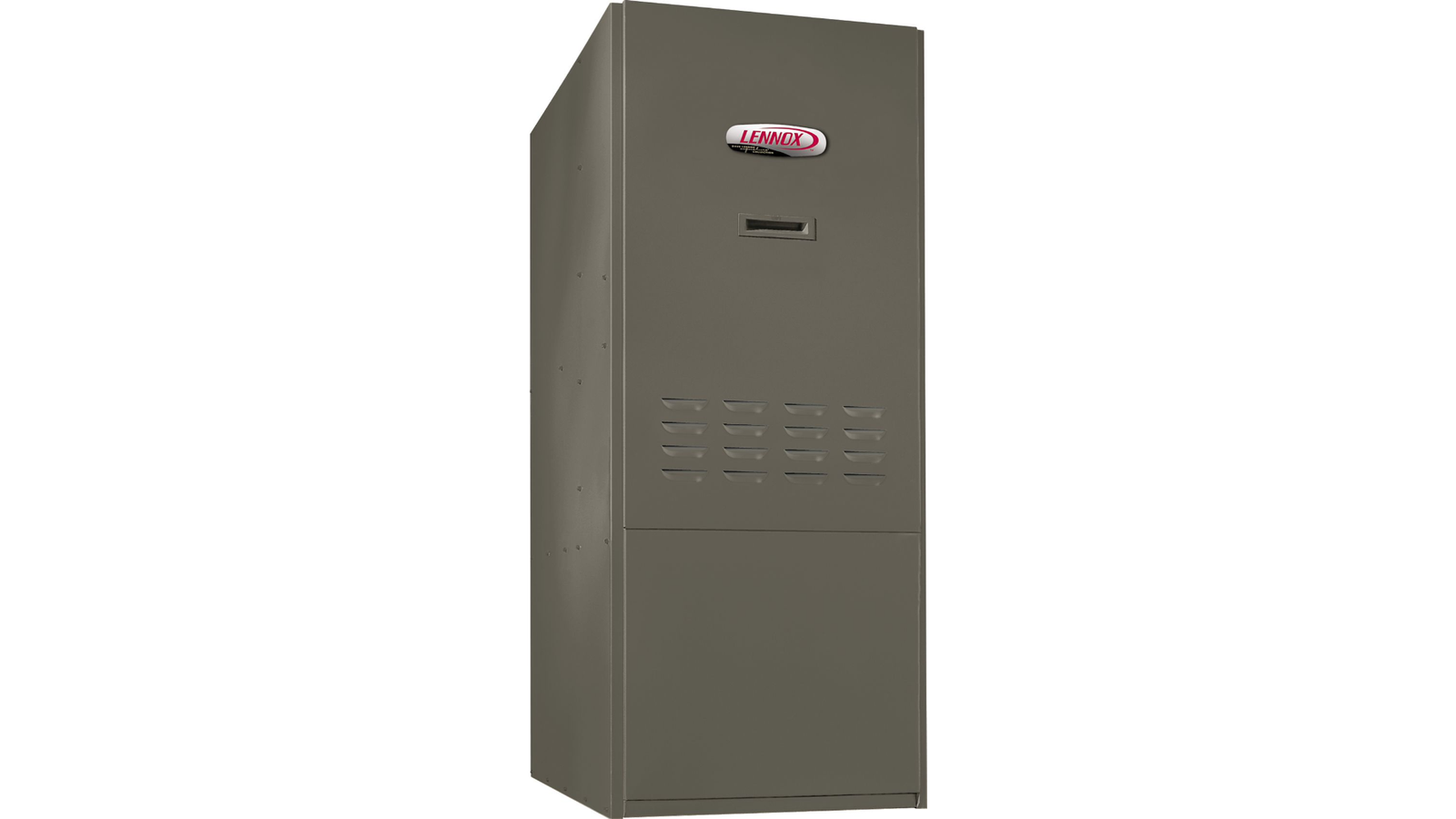
Signs Your Furnace Needs Service Now
Some problems can wait for a scheduled tune-up. Others mean you should book a repair soon, before the weather turns harder. Call for service if you notice any of these:
- The furnace runs but blows cool or lukewarm air
- It starts and stops every few minutes (short cycling)
- Some rooms stay cold while others are fine
- New sounds like banging at startup, squealing or a loud rumble
- A burning smell that lasts more than the first day of the season
- Your gas bill jumped without a change in weather or thermostat settings
- The burner flame looks yellow or flickers instead of a steady blue (only look through the viewing window; don't remove panels)
- The thermostat calls for heat, but nothing happens
A light dusty smell the first time you turn on the heat is normal. Dust burns off the burners and heat exchanger after months of sitting idle. If the smell sticks around or smells like hot plastic or wiring, shut the system off at the thermostat and call us.
What Happens During a Heating Service Visit
The exact steps depend on the type of visit and the age of your furnace. Most visits include a mix of the following.
- Checking the thermostat and confirming it's signaling the furnace correctly
- Inspecting and cleaning the flame sensor and checking the igniter
- Inspecting burners and watching the flame during a full heating cycle
- Checking the blower motor, wheel and belt (if your furnace has one) for wear and buildup
- Testing safety switches and limit controls
- Checking the vent pipe and draft for proper exhaust
- Looking at the filter and talking with you about how often to change it
- Checking for gas leaks at the furnace connections and testing for carbon monoxide around the unit
- Measuring temperature rise and making sure airflow is in the right range
On a repair visit, the technician focuses on the symptom first. They'll still keep an eye out for anything else that looks off. Before any work starts, you should get a clear explanation of what's wrong and what it will take to fix.
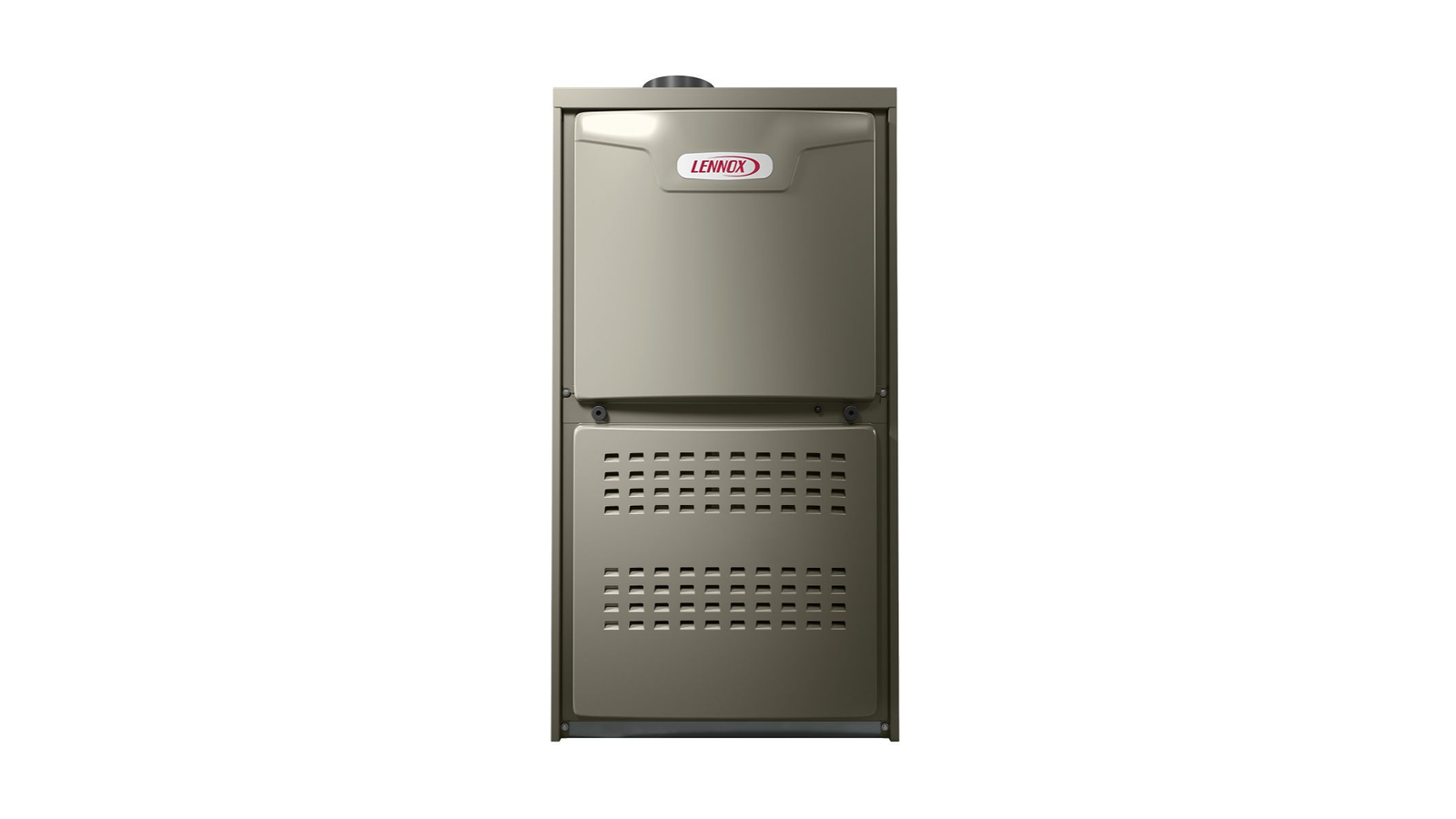
What You Can Safely Check Before You Call
A handful of quick checks can solve a surprising number of no-heat calls. They also give us useful information if you still need a visit. None of these steps require opening the furnace or touching gas or electrical parts.
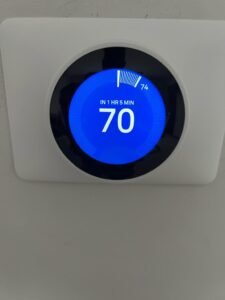
- Set the thermostat to Heat and a few degrees above room temperature, then wait several minutes
- Replace thermostat batteries if the screen is blank or dim
- Look at the air filter. If it's gray and clogged, replace it with the same size
- Make sure the furnace power switch (it looks like a light switch on or near the unit) is on
- Open supply vents and make sure furniture or rugs aren't blocking returns
- Check that the furnace door panel is fully closed, since many furnaces won't run with it loose
- Check outdoor exhaust and intake pipes on high-efficiency furnaces for leaves or snow
If none of that works, stop there. Don't open sealed panels or reset the system over and over. Repeated restarts can hide the real problem or make it worse, so it's better to let a technician see the furnace as it is.
Why Fall Is the Best Time for Heating Maintenance in the Chicago Area
Chicago-area furnaces sit unused for months, then get pushed hard once temperatures drop. Dust settles on burners, flame sensors pick up residue and small wear on motors goes unnoticed all summer. The first cold snap is when those issues show up, often on a weekend night.
Booking early November gives you more flexibility on appointment times. It also leaves room to handle any repair before you actually depend on the heat. Many homes here, from bungalows and two-flats in the city to split-levels in the suburbs, have furnaces tucked into tight basements or closets. Getting them checked while it's still mild is easier on everyone.
When to Call a Technician
Call us if your basic checks didn't restore heat, if any warning sign from the list above shows up, or if your furnace hasn't been serviced in more than a year. Also call if you've just moved into a home and don't know the furnace's history. A professional look now is cheaper and calmer than an emergency call during a cold snap.
Our Lincolnwood location on West Touhy Avenue serves Lincolnwood, Skokie, Niles, Morton Grove, Evanston, Glenview, Park Ridge and nearby north suburbs. Our Chicago location on North Sheridan Road serves Edgewater, Uptown, Rogers Park, Andersonville, Lakeview and other city neighborhoods. Either team can handle tune-ups, repairs and safety inspections.
Gas Smells and Carbon Monoxide Alarms: Don't Wait
Some situations aren't a service call. They're an emergency. If you smell gas (a rotten egg or sulfur odor), leave the house right away. Don't flip light switches or use anything that could spark, and call your gas company or 911 from outside.
If a carbon monoxide alarm goes off, get everyone out, including pets. Call 911 from outside. Symptoms like headache, dizziness or nausea that ease when you leave the house are a serious warning sign. Once emergency responders say it's safe, we can come out to inspect and repair the furnace.
You can also find the summarized version in or Pinterest Pins. Read other blogs in our Blogger , Reddit and Medium Page as well.
Once a year is the standard recommendation, ideally in early fall before regular use begins. Older furnaces, or homes with pets and heavy dust, may benefit from closer attention. Many manufacturers also expect regular maintenance to keep warranty coverage in good standing.
A tune-up is preventive. It's for a furnace that works, and the technician cleans, tests and adjusts it. A repair addresses a specific problem, like no heat or short cycling. Sometimes a tune-up uncovers an issue that needs a repair, and the technician will explain it before doing any extra work.
You can, but problems like a dirty flame sensor, a worn blower part or a venting issue often don't show symptoms until the furnace is under heavy load. Skipping maintenance raises the odds of a mid-winter breakdown. It also means safety items like venting and carbon monoxide aren't checked.
A typical tune-up often takes about an hour, depending on the furnace and how accessible it is. Repairs vary with the problem and whether parts are on the truck. Your technician can give you a better time estimate once they see the system.
A typical tune-up often takes about an hour, depending on the furnace and how accessible it is. Repairs vary with the problem and whether parts are on the truck. Your technician can give you a better time estimate once they see the system.
A faint dusty or burning smell for the first few hours of the season is common, because dust is burning off after months of sitting. If the smell lasts more than a day, smells like plastic or wiring, or smells like gas, turn the system off. For a gas smell, leave the home and call the gas company or 911.
A faint dusty or burning smell for the first few hours of the season is common, because dust is burning off after months of sitting. If the smell lasts more than a day, smells like plastic or wiring, or smells like gas, turn the system off. For a gas smell, leave the home and call the gas company or 911.