
Air Handler vs. Furnace: 5 Key Differences Chicago Homeowners Should Know
Below are five practical differences that explain what you actually have, whether to search for "fast furnace repair in Chicago" or "air handler repair," why it matters for repair costs, and what to expect if yours ever needs replacing.
Understanding the difference between an air handler vs furnace is key when troubleshooting your home's heating system.
When you open the mechanical closet or utility room in a Chicago home, you'll find some combination of boxy metal equipment, ductwork, and a thermostat wired to all of it -and most homeowners have no idea which piece is actually which. “Furnace” and “air handler” get used interchangeably all the time, but they're not the same equipment, and knowing the difference actually matters the next time something breaks or you're pricing a replacement.
Here's the direct answer : Air handler vs Furnace- a furnace generates heat itself, usually by burning natural gas, and pushes warm air through your ducts. An air handler doesn't generate heat or cold air on its own-it's the indoor fan-and-coil unit that moves air produced by a separate outdoor system, like a heat pump or central AC condenser.
Most Chicago homes with gas heat have a furnace, not an air handler, but homes with electric heat pumps or all-electric systems typically do have one
1. What each one actually does
A furnace is a self-contained heat source. It burns gas (or, less commonly in older Chicago homes, runs on electric resistance heat), warms the air inside its own cabinet, and blows it through your ductwork. An air handler is essentially just the blower and coil - it circulates air but relies on a separate outdoor unit to actually heat or cool that air. Think of a furnace as the engine and the fan combined; an air handler is just the fan, waiting on a separate engine to hand it warm or cool air.
2. Where the heat actually comes from
A furnace generates its own heat by burning fuel, while an air handler produces no heat on its own. Instead, an air handler relies on an outdoor heat pump (which transfers heat from outside air into your home) or a separate AC condenser in cooling-only setups. If your system runs on gas and emits an odor near the cabinet upon startup, you have a furnace rather than an air handler.
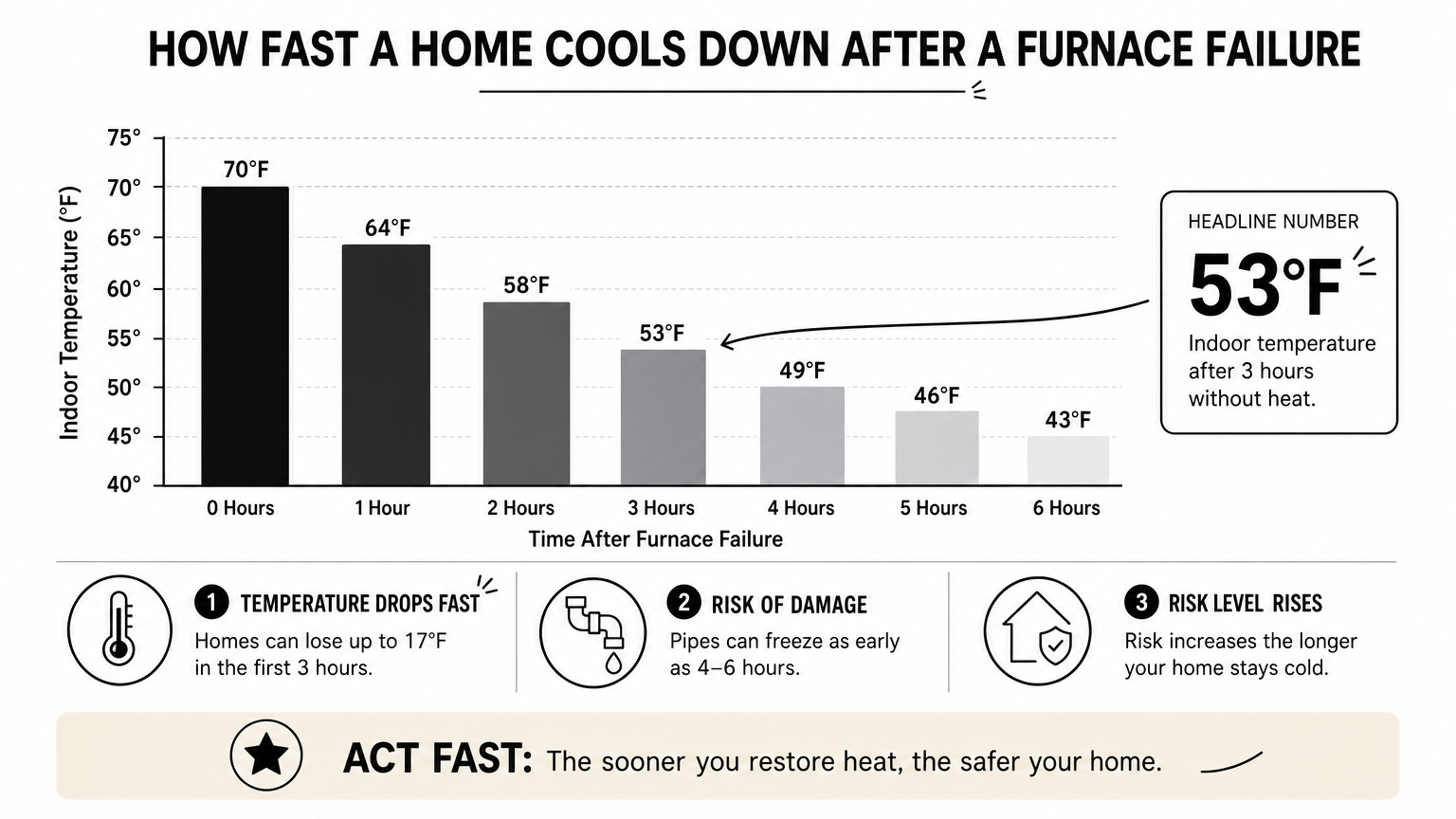
| Hours without heat | Typical indoor temp (outside temp 10°F) | Risk level |
|---|---|---|
| 2 hours | 60-65°F | Low |
| 6 hours | 50-55°F | Moderate, pipe risk begins |
| 12 hours | 35-40°F | High, pipe freeze likely |
| 24+ hours | Below 32°F | Severe, burst pipe risk |
A furnace outage in a Chicago winter is a plumbing emergency waiting to happen, not just a comfort issue.
3. How to tell which one you have
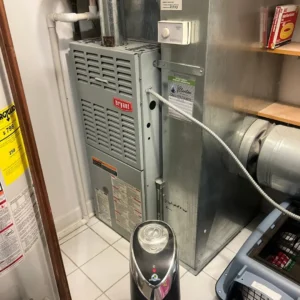
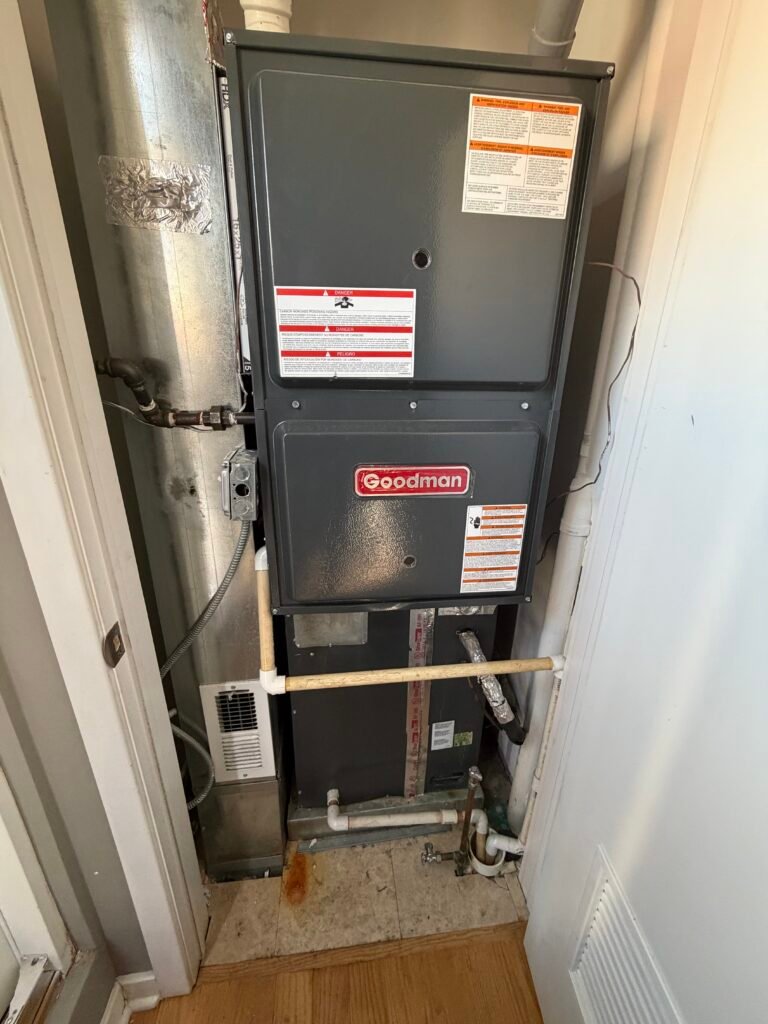
Look for a flue pipe or vent running up through your roof or out a side wall-that vents combustion exhaust, which only a gas furnace produces. If you don't see one and your outdoor unit runs during winter (a heat pump, unlike a standard AC condenser, operates year-round), you likely have an air handler paired with a heat pump. You can also check the nameplate on the indoor cabinet; it will state "furnace" or "air handler" directly.
Modern HVAC Tech built its dispatch model around this reality. Homeowners looking for emergency furnace repair in Lincolnwood, Evanston, Park Ridge, and the surrounding north suburbs don't get a voicemail at 3 a.m.; they get a technician who answers the call and dispatches immediately. If you've ever searched for emergency furnace repair near me open now or emergency heater repair near me while wrapped in blankets, our 24/7 emergency HVAC repair service is built to solve that exact situation-any night of the year, not just during business hours.
4. Air Handler vs Furnace: Why Chicago Mostly Runs on Furnaces
Chicago winters are cold and long enough that straight heat-pump systems paired with air handlers historically struggled to keep up without relying on supplemental electric backup heat, which gets expensive fast during a cold snap. That's why the large majority of homes across Chicago and the north suburbs run gas furnaces for heat. Air handlers typically show up in newer all-electric construction, certain condo buildings, or homes that added a heat pump for efficient cooling and shoulder-season heating.
Finding a legitimate same day furnace repair near me option takes more than clicking the first ad that pops up, and there are proven ways to vet a furnace repair pro in Chicago before calling. Plenty of companies advertise 24/7 service but route calls to an answering service that simply books appointments for the next business day. Before handing over your address at 2 a.m., run through a short checklist to separate real emergency dispatch from marketing copy.
5. Repair and replacement costs typically differ
When evaluating air handler vs furnace repair costs, furnaces have more individual components that can fail-such as the ignitor, flame sensor, heat exchanger, or gas valve-because it generates heat directly rather than just moving air. An air handler contains fewer components prone to failure (primarily the blower motor and coil). However, when issues arise, diagnosing whether the fault lies within the air handler or the connected outdoor unit can be more complex. Either way, ensure your technician pinpoints the exact component at fault before authorizing repairs.
If you aren't sure which unit is in your utility closet or need to diagnose a new noise, a professional inspection provides a definitive answer. Modern HVAC Tech has serviced furnaces and air handlers across Chicago and the north suburbs since 2018, supported by over 20 years of combined field experience.
Local reputation beats national ads
A company handling furnace repair in Morton Grove,IL, Niles, Wrigleyville, and across Chicago for two decades knows the local housing stock. They understand the common furnace models in older Chicago bungalows and know exactly which parts to keep stocked in the truck. That local experience shortens your repair time compared to a national franchise dispatching a technician who rarely works on Chicago two-flats. Check Google reviews specifically for mentions of night or weekend service, not just daytime maintenance visits, to see if the after-hours promise holds up. Modern HVAC Tech's service record across the north suburbs reflects this exact track record-built one emergency call at a time rather than through a call center script.
Signs your furnace needs emergency repair right now
Not every furnace hiccup justifies a middle-of-the-night dispatch, but certain warning signs require immediate attention. Knowing the difference saves you money on unnecessary after-hours fees while keeping your household safe when a situation genuinely can't wait. If you are already searching for 24-hour emergency furnace repair near me, chances are you are dealing with one of the urgent situations below rather than a minor maintenance issue.
Red flags that mean call immediately
Certain symptoms point to danger, not just discomfort, and they call for immediate action:
- A gas smell or rotten-egg odor near the furnace or vents, which signals a possible gas leak
- A carbon monoxide alarm going off, especially paired with headaches, dizziness, or nausea in the house
- Visible smoke, sparks, or a burning odor coming from the unit itself
- A complete shutdown during sub-zero wind chill, when indoor temps are already dropping fast
- Strange banging, grinding, or screeching noises that started suddenly and won't stop
If you smell gas or hear your carbon monoxide alarm, leave the house first and call for repair second.
Symptoms that usually hold until morning
Other issues are annoying but rarely dangerous overnight. A furnace blowing cooler air than usual, a thermostat reading off by a degree or two, or a blinking filter indicator can wait for a standard daytime appointment. Minor short-cycling-where the furnace still produces adequate heat-also falls into this non-emergency category.
Recognizing this distinction keeps emergency dispatch lines clear for severe no-heat situations while saving you from unnecessary after-hours service surcharges.
What to expect: response times and repair costs
When you call a real emergency line, you shouldn't have to guess what happens next. A dispatcher ought to provide a specific arrival window typically 60 to 120 minutes for urgent no-heat calls and confirm the diagnostic fee before a truck leaves the shop. Modern HVAC Tech quotes that fee upfront on every call, whether at 6 p.m. or 3 a.m., so you know the exact cost before a technician inspects your furnace. That level of transparency separates a company built for 24 hour furnace repair near me searches from one simply running ads.
Note: The Prices are estimated ones and may not reflect actual value, true prices may differ.
Typical after-hours pricing breakdown
After-hours rates run higher than daytime visits because you're paying for a technician on call around the clock, not because the work itself changes. Here's roughly what Chicago-area homeowners should expect:
| Service | Typical cost range |
|---|---|
| Daytime diagnostic fee | $125-$175 |
| After-hours/emergency diagnostic fee | $175-$250 |
| Minor repair (ignitor, thermostat wiring) | $150-$350 |
| Major repair (blower motor, heat exchanger) | $400-$1,200+ |
A fair company tells you the diagnostic fee before the truck rolls, not after the tech is standing in your kitchen.
Note: The Prices are estimated ones and may not reflect actual value, true prices may differ.
Why the diagnostic fee usually applies to the repair
Most reputable shops, including ours, apply the diagnostic charge directly toward the final repair bill instead of stacking it on top. That policy rewards you for calling professionals rather than troubleshooting a gas appliance yourself at midnight. If you want exact numbers for your situation, schedule an HVAC appointment and request a quote before committing so there are no surprises once the work is completed.
Staying warm when your furnace can't wait
A freezing house at 2 a.m. isn't a problem to troubleshoot with a YouTube video and a flashlight. It's a problem solved with a true 24-hour dispatch line, a technician who actually answers, and a flat fee confirmed before anyone arrives. Chicago winters don't give you the luxury of waiting until morning, and you now know what separates a legitimate emergency response from an answering service that simply books appointments for next week.
Use the checklist and warning signs above the next time your furnace quits without warning. Ask about arrival windows, inquire about diagnostic fees, and trust your gut if a company hesitates to answer either question clearly. Searching for "same day furnace repair" shouldn't be a gamble. When your heat goes out tonight, book 24/7 emergency furnace repair in Chicago, IL with Modern HVAC Tech to get a technician dispatched before the cold sets in.
You can also find the summarized version in or Pinterest Pins.
Read other blogs in our Medium Page.
Check for a flue pipe venting outside - only a gas furnace has one. If there's no flue and your outdoor unit runs year-round (not just in summer), you likely have an air handler paired with a heat pump. The nameplate on the indoor unit will also say which one it is directly.
Yes, but only when it's paired with a heat pump, which supplies the warm air the air handler circulates. An air handler on its own, without a connected heat pump or other heat source, can't generate heat - it can only move air that's already been heated or cooled elsewhere.
It depends on what's actually broken. Furnaces have more components that can fail (igniter, heat exchanger, gas valve) since they generate their own heat, while air handlers have fewer