
The fastest route to furnace ignitor replacement is to confirm the ignitor is the failed part, buy an exact-match replacement, shut off power and gas, swap the part without touching the element, and test a full heating cycle. If gas lines and 120-volt wiring make you uneasy, hand the job to a technician.
Furnace Ignitor Replacement
A bad ignitor is easy to blame wrongly. The furnace starts up and then nothing warms the house. However, a weak flame sensor, a gas valve or a control board produces the same symptoms, so the diagnosis matters more than the part. Guess wrong and you pay for a replacement you did not need.
This guide walks through furnace ignitor replacement in order: why ignitors fail and when to replace one, how to confirm the diagnosis, how to choose the right part, and how to install it.
Modern HVAC Tech has repaired furnaces in Chicago and the north suburbs for more than twenty years, so the checks below come from real service calls.
Why ignitors fail and when to replace one
Replace a furnace ignitor when it no longer glows, shows cracks, or the furnace fails to light on repeated tries. A working ignitor does not need replacing on a schedule, but it is a wear item that typically lasts 3 to 7 years.
What the ignitor does
Most modern gas furnaces use a hot surface ignitor made of silicon carbide or silicon nitride, and you may also see it spelled igniter. When the thermostat calls for heat, current heats the element to well over 2,000°F until it glows orange. Afterward, the gas valve opens so fuel flows over the hot tip. Without that crucial glow, the control board shuts the sequence down for safety.
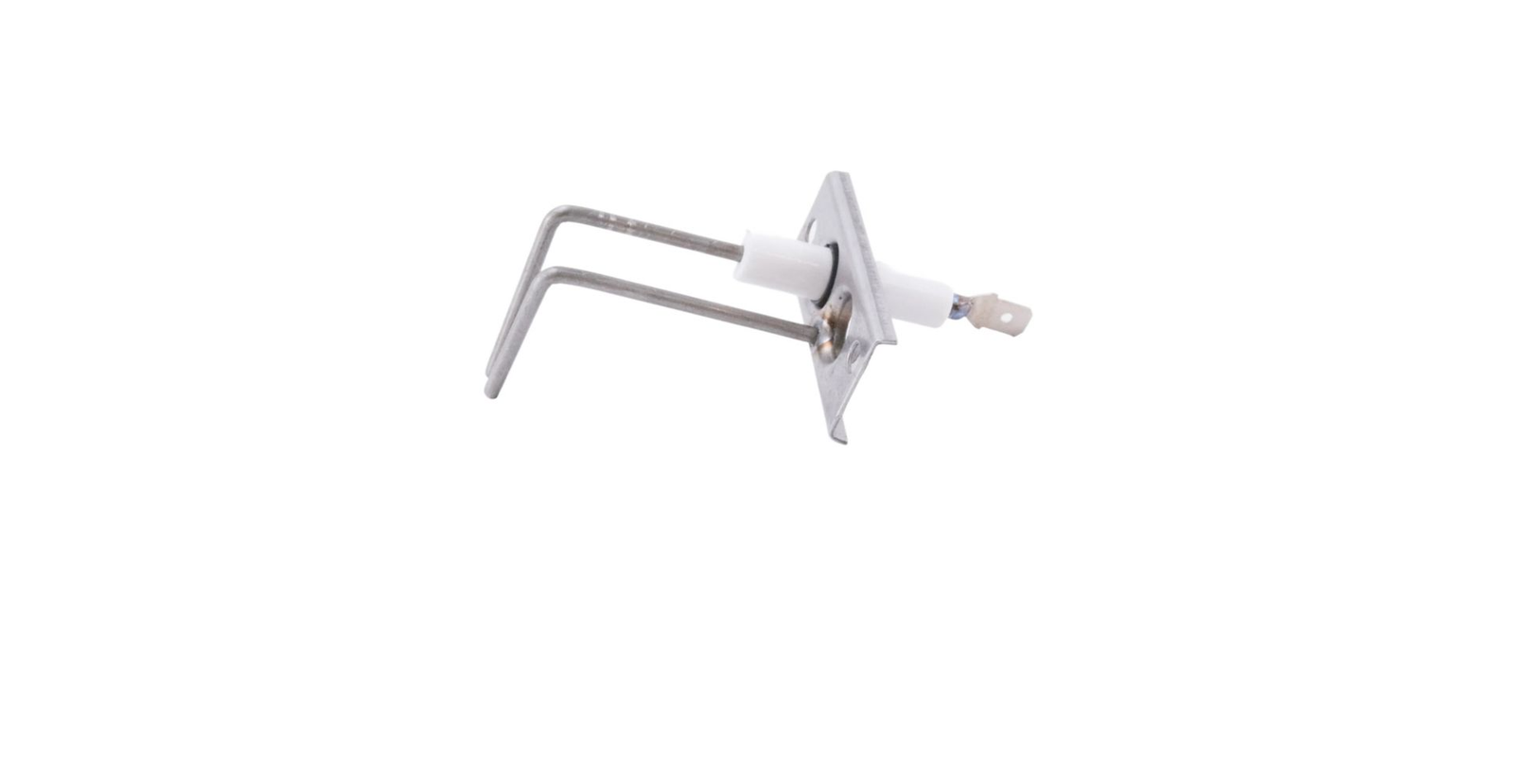
Signs it is failing
A dying ignitor rarely quits without warning. Watch for these:
- Furnace clicks or the blower runs, but no heat arrives.
- You see no orange glow through the viewing port during startup.
- Lights only on some attempts, or short cycles by starting and stopping repeatedly.
- Element has hairline cracks, white marks, or black spots.
The intermittent case is the one people miss. A weak ignitor may light the furnace half the time for weeks before it fails completely, so a furnace that needs a second or third try deserves attention now.
How long it lasts and what shortens it
Published figures run from 3 to 5 years up to 3 to 7 years, so treat any single number as a range. Dust, a clogged filter, frequent cycling, power surges and skin oils from handling all cut that life. Chicago's long heating season adds cycles, and as a result ignitors here tend to age toward the short end.
That said, a healthy ignitor does not need replacing on a calendar. But if the furnace is past the 5-year mark and a technician already has the panel open, swapping a visibly worn ignitor saves a second visit.
Replace the ignitor when it fails to glow, cracks, or lights the furnace unreliably, not on a fixed date.
Step 1. Confirm the ignitor is the problem
Confirm the fault by watching one full startup cycle, then testing the ignitor with a multimeter. Replace it only if it fails to glow or reads outside its rated resistance.
Watch the startup sequence
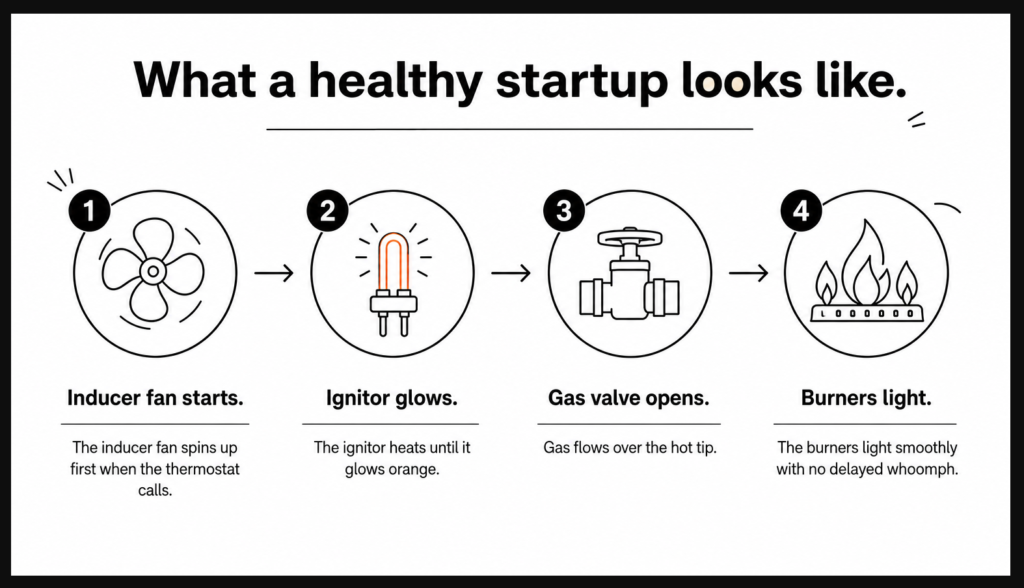
Set the thermostat well above room temperature. Use the viewing port if your furnace has one, rather than running the furnace with the panel off. The sequence runs like this: the inducer fan starts, the ignitor glows, the gas valve opens, and the burners light. Next, match what you see to the likely culprit:
| What you see | Likely cause |
| Nothing starts, not even the fan | Thermostat, power, door switch, or control board |
| Fan runs, no glow | Dead ignitor, or no power reaching it |
| Ignitor glows, no flame | Gas supply or gas valve |
| Flame lights, then dies within seconds | Dirty flame sensor |
| Dim glow, or lights only sometimes | Aging ignitor |
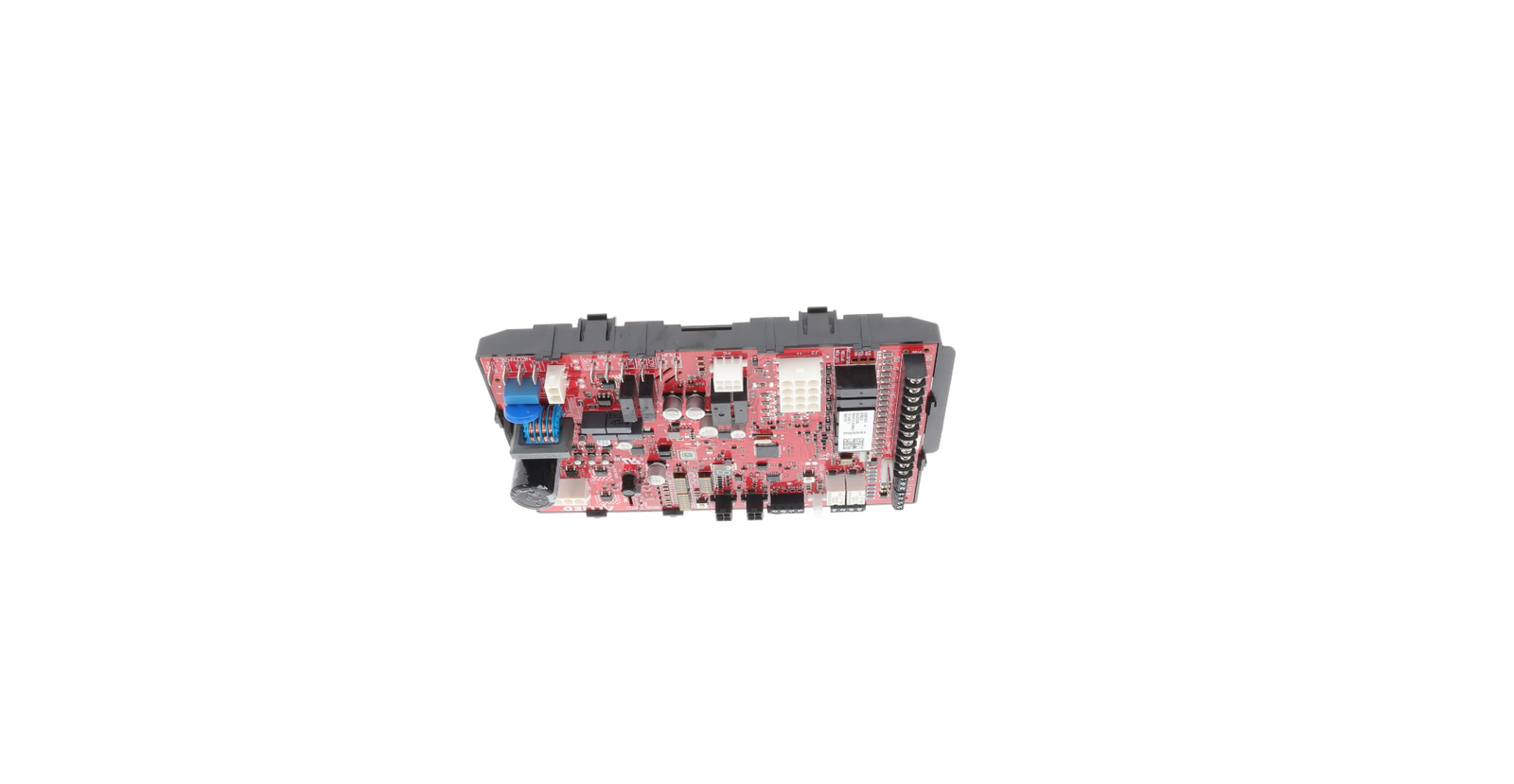
Also check the filter and any LED code on the control board. Many boards flash a code for ignition failure, and the code label is usually on the inside of the door.
Test it with a multimeter
First, turn off power at the breaker and close the gas valve. Then unplug the ignitor's wire harness and set your meter to ohms. Touch one probe to each terminal. A reading within the rated range means the element is intact, while a reading of "OL" or infinity means it is broken.
Rated resistance varies by model. One manufacturer's silicon nitride ignitor, for example, specifies 40 to 70 ohms when new, so check your furnace manual or the ignitor's label instead of trusting a universal number. If the ignitor tests good and the symptoms continue, stop. The fault lies elsewhere, and that is a job for a technician.
A cracked element or an "OL" reading proves the ignitor is dead; a good reading means keep looking.
Step 2. Weigh the DIY against a pro
Doing it yourself saves labor costs but adds risk around gas and electricity.
Because the bill is small, furnace ignitor replacement almost always passes the $5,000 rule. A rough $350 repair on a 15-year-old furnace scores $3,750, which is well under the line, so repairing beats replacing even on an older unit.
When to hire a pro
Call a technician if the ignitor tests good, or if you are not comfortable shutting off gas and working near 120-volt wiring. The same goes for a furnace still under warranty, since DIY work or non-OEM parts can void coverage. Meanwhile, what you pay a pro for is the diagnosis, the safe gas handling and the full-cycle test, because the part itself costs little.
Modern HVAC Tech runs 24/7 emergency furnace repair across Chicago and the north suburbs with licensed technicians and upfront pricing, so ask for the price before any work begins. If you want a weak ignitor caught before it fails, our pay-per-visit maintenance is $149 per residential unit.
Step 3. Buy the right ignitor
Buy the ignitor that matches your furnace's model number, and choose an OEM part when you can. A universal ignitor is acceptable only when its connector, length, voltage, and mounting fit your furnace.
Find your part number
Open the furnace door and read the model number on the rating plate. Many ignitors also carry a part number stamped on the ceramic base or bracket. Search the model number plus "ignitor," or bring the old ignitor to an HVAC supply counter. Buy before you start the repair, not in the middle of it.
Universal or OEM
Universal ignitors cover many furnaces and are often cheaper and easier to find on short notice. OEM parts, on the other hand, are built for your exact unit, which gives the best fit and the cleanest warranty position. Before you trust a universal part, confirm all of these:
- Voltage matches, typically 120V.
- Connector plugs into your harness, or you are prepared to splice correctly.
- Length and mounting bracket put the tip in the same spot as the old one.
- Resistance falls in a range your furnace's board accepts.
A universal ignitor works only when connector, length, voltage, and mounting all match the original.
Step 4. Replace the ignitor and test the furnace
To replace the ignitor, cut power and gas, let the part cool, unplug and unscrew the old one, mount the new one in the same position, and test a full cycle. Handle the element as little as possible, because skin oils can create hot spots that burn it out early.
Installation steps
- Turn the thermostat down, switch off the furnace at the breaker, and close the gas valve.
- Wait 10 to 15 minutes. A recently used ignitor can burn you.
- Remove the access panel and find the ignitor beside the burners. Take a photo of the wiring.
- Unplug the harness, remove the mounting screw or bracket, and slide the old ignitor out gently. It is brittle.
- Compare it against the new one for shape, length, and connector.
- Hold the new ignitor by its base or bracket, never the element, and mount it in exactly the same position.
- Reconnect the harness and make sure the wires clear the burners and hot surfaces.
- Refit the panel, reopen the gas valve, restore power, and set the thermostat to call for heat.
Test and troubleshoot
Run one full heating cycle and watch for the same sequence shown in the startup graphic: the inducer starts, the ignitor glows, and the burners light smoothly with no delayed whoomph. If it fails to light after two attempts, shut it down and call a professional, because repeated tries can lock out the board.
Keep a working carbon monoxide detector near the furnace and bedrooms. If you smell gas at any point, leave the house and call your gas utility or 911 from outside.
Wrapping up your furnace ignitor replacement
Should you decide to hand the job over, tell the technician what you saw: whether the inducer ran, whether the ignitor glowed, and any LED code on the board. That shortens the diagnosis and the bill. Alternatively, if you would rather skip the troubleshooting entirely, book a furnace repair visit with Modern HVAC Tech.
También puede encontrar la versión resumida en o Pines de Pinterest. Read other blogs in our Blogger , Reddit y Página mediana también.
No. Older furnaces use a small pilot light flame that stays lit. Most modern furnaces use an electronic ignitor that heats up only when the thermostat calls for heat, so furnace ignitor replacement applies to those newer units.
Technicians typically finish in 15 to 45 minutes once the right part is on hand. Beginners should allow longer, since the cool-down, photos and testing take time.
Touching the element during installation is the usual cause, followed by a part with the wrong voltage or fit. If a correct, untouched ignitor still fails within weeks, a technician should check the control board and the power it delivers.