Evaporator coil replacement cost most often lands between $600 and $2,500 for a typical home. However, it can reach $4,500 or more on a large, older, or out-of-warranty system. The evaporator coil is the indoor part of your air conditioner.
Refrigerant flows through it and absorbs heat and moisture from your home's air. When the coil leaks or corrodes, the system stops cooling. The repair is expensive because it opens the sealed refrigerant circuit.
This guide breaks the bill into parts, and refrigerant, and shows what pushes the price up or down. It then explains how to get a quote you can trust. It also answers the question behind most searches: is a new coil worth paying for, or should you replace the whole unit?
Modern HVAC Tech has repaired and replaced cooling systems in Chicago and the north suburbs for more than twenty years.
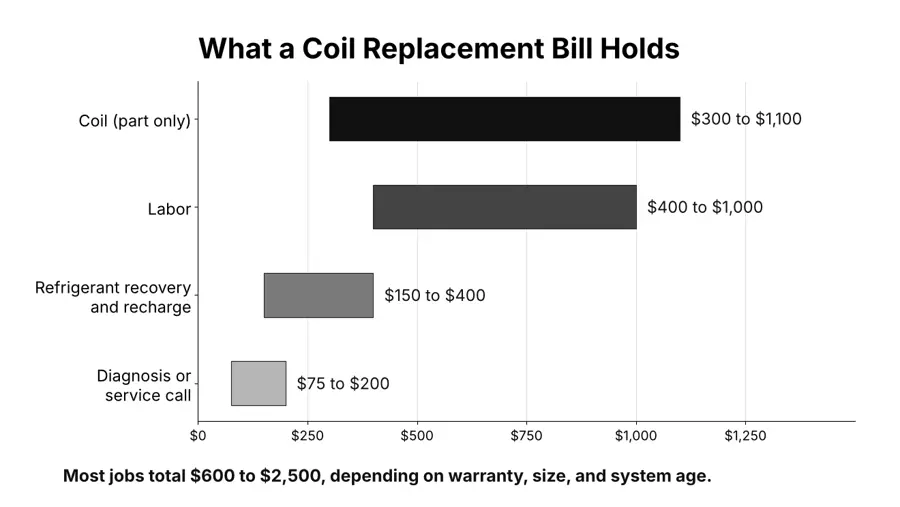
The new coil for AC unit cost, meaning the part alone, runs roughly $300 to $1,100. The part is never the whole bill, though.
| Line item |
Typical range |
| Coil (part only) |
$300 to $1,100 |
| Refrigerant recovery and recharge |
$150 to $400 |
| Diagnosis or service call |
$75 to $200 |
Note: The above made range is estimate and actual range may vary
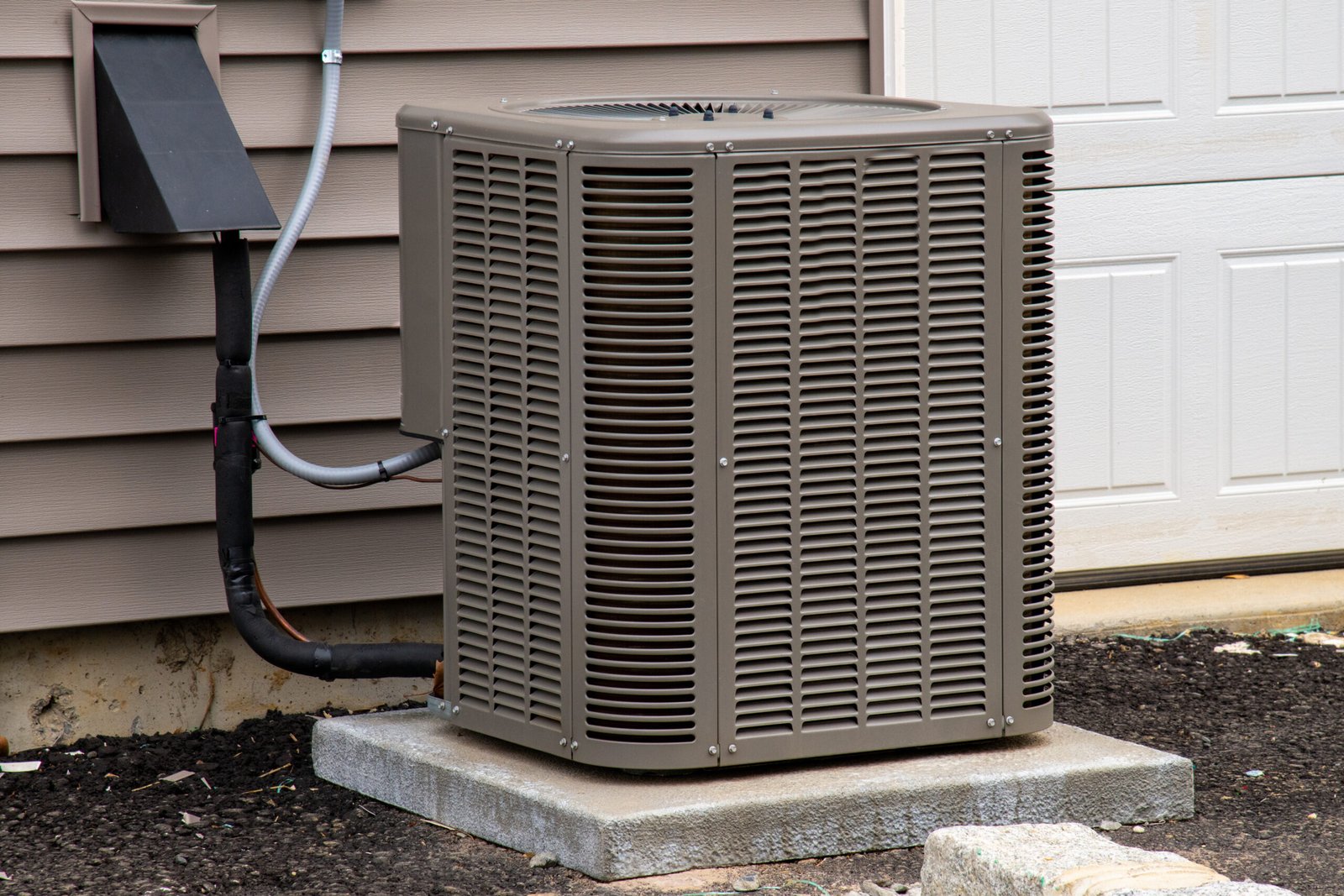
Tonnage is the biggest driver because larger systems need larger coils and more refrigerant. You can find your system's tonnage on the outdoor unit's nameplate or in its model number. These are typical totals.
| AC unit size |
Typical total cost |
| 1.5 to 2 ton |
$1,000 to $2,000 |
| 2.5 ton |
$1,500 to $2,500 |
| 3 ton |
$1,800 to $3,000 |
| 3.5 ton |
$2,000 to $3,500 |
| 4 ton |
$2,300 to $4,000 |
| 5 ton |
$2,800 to $4,500+ |
Note: The above tonnage and range give are estimates and actual range may vary
Most single-family homes run a 2 to 3.5 ton system, so budget $1,000 to $3,500 unless something unusual is going on.
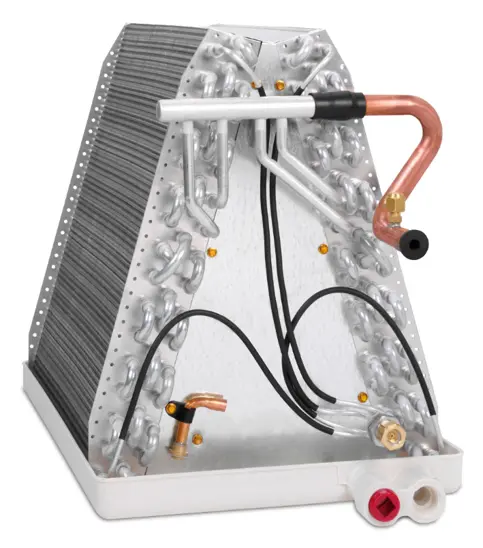
Premium brands such as Trane, Lennox, and Carrier use proprietary coil designs that cost more than Goodman or Rheem equivalents. A-coils are the most common and cheapest style.
By contrast, N-coils and Z-coils cost more, and cased coils cost more than uncased ones.
Access matters as well. A coil in a tight closet, attic, or crawl space can add labor hours.
Therefore, ask where your coil sits before you compare quotes.
You get an accurate quote by confirming the coil is truly the failed part and knowing four facts about your system. That can save you from paying for a coil you did not need.